Cappadocia balloon flights month by month: when they fly
Cappadocia balloons lifted off on 223 days of 2025, so roughly two mornings in five never left the ground. Twelve months read against dawn temperature, cancellation risk, crowds and price, from a January low of -3.5 C to the calm mornings of September.
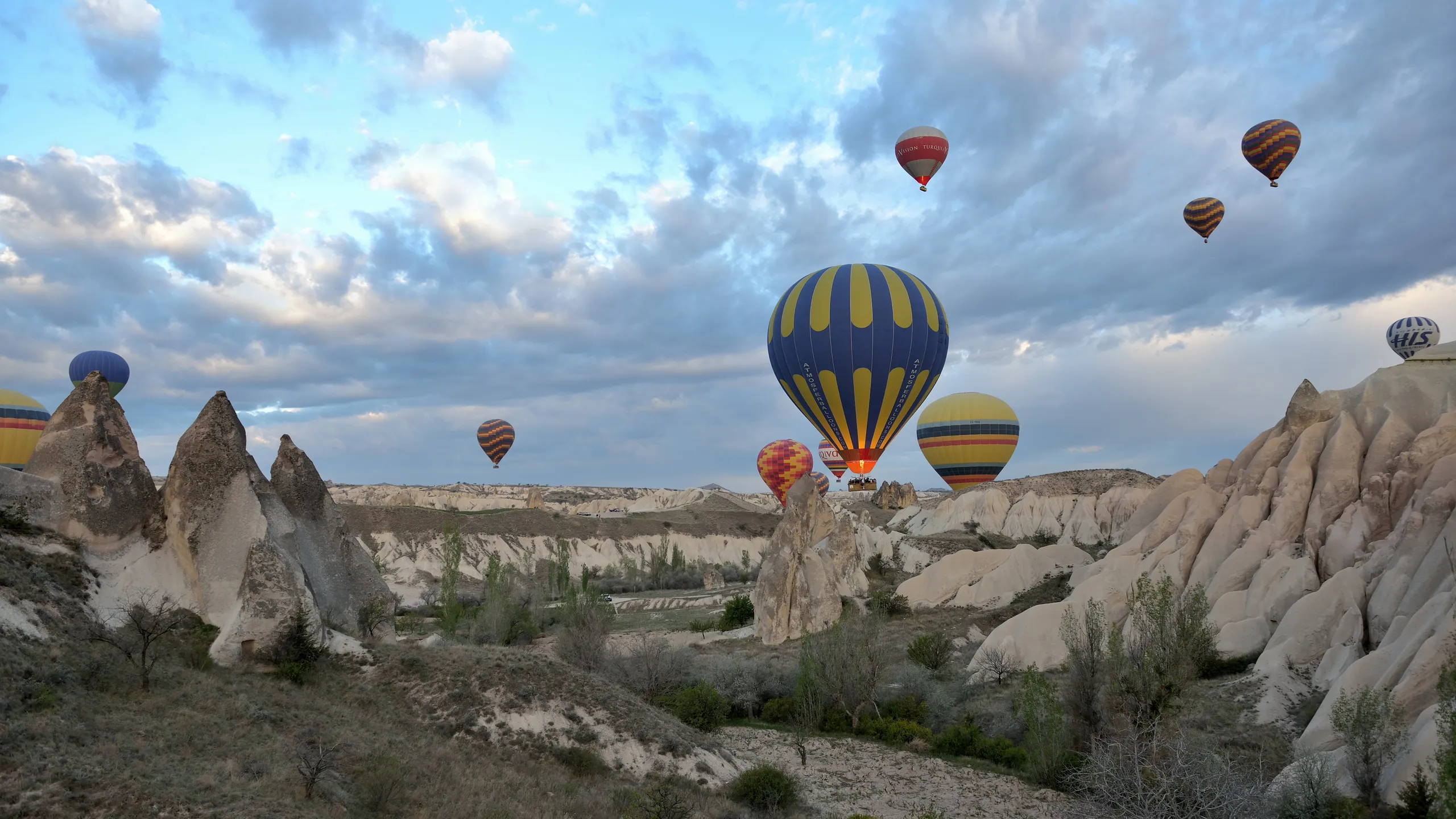
The sky over Cappadocia has a ceiling. The season does not. Turkish civil aviation allows 100 commercial balloons airborne at the same time in the morning window, and the province counted 354 balloons and 30 licensed operators in 2025, so the fleet already exceeds what the air can hold. Demand has no equivalent limit. Weather does the rationing, and it rations unevenly across the year. Balloons flew on 223 days of 2025, which is 61 per cent of the calendar and leaves 142 mornings on the ground. The Cappadocia listings are right that the region flies year round. They do not say which months it flies best.
Dawn is the only slot that matters
The regulation is looser than the practice. The slot instruction opens the morning period 30 minutes before sunrise and runs it to 11:00, with an afternoon period that tourist operators barely touch. Everything still happens in the first hour of light, and the reason is physical. A balloon cannot choose a heading. It goes where the air goes, and the pilot works the vertical, hunting layers that run different ways at different heights, which needs the cold stratified air of a plateau dawn. The mechanics are in the guide to how pilots steer.
That one slot drags the calendar behind it. Sunrise moves two hours and 45 minutes across the year here, from 05:14 near the June solstice to 07:59 on 1 January, because Turkey stopped changing its clocks in 2016. Pickup runs about 90 minutes ahead: a quarter to four in June, half past six in January. Any operator advertising a flat 04:30 pickup is quoting summer.
| Month | Dawn low | Conditions and cancellation risk | Crowds and price |
|---|---|---|---|
| January | -3.5 C | Worst valley fog of the year, snow on about 9 days, 96 sunshine hours. Highest risk. | Emptiest month and the lowest prices of the year. |
| February | -2.6 C | Snow on about 6 days, inversions and fronts both active. Risk stays high. | Low season, discounts still on the table. |
| March | 1.0 C | Windiest month in the record, snow on about 7 days. Wind grounds more mornings than cold. | Quiet until the last week, then prices move. |
| April | 5.2 C | Snow nearly gone, 12 rain days, unsettled fronts. Moderate risk. | Easter and school holidays take the good dates. |
| May | 9.3 C | Wettest month at 57 mm, but the rain arrives after the flight. Risk drops sharply. | First peak. Baskets sell out weeks ahead. |
| June | 12.3 C | Dry and settled, earliest sunrise of the year at 05:14. Low risk. | Peak pricing, and a pickup before four. |
| July | 14.6 C | Ten millimetres of rain all month. Heat off the rock builds thermals early. | Peak crowds, and afternoon heat empties the valleys. |
| August | 14.5 C | Driest month, 10 mm across two wet days. The most predictable air of the year. | Fullest baskets and firmest prices of the year. |
| September | 11.3 C | Calmest month in the wind record, 14 mm of rain, dawn in double figures. Best odds. | Peak price, and the mornings earn it. |
| October | 7.4 C | Still calm, 29 mm, colour on the valley floors. Low to moderate risk. | Prices ease from mid-month as the season thins. |
| November | 2.1 C | Snow days return and valley fog with them. Risk climbs steeply. | Shoulder pricing and thin crowds. |
| December | -1.4 C | Snow on about 5 days, latest sunrise of the year at 07:59. High risk. | Cheapest after January, except Christmas week. |

What the field looks like before the flag
Pickup is in the dark and the first stop is rarely the launch site. Operators run passengers to an office or field kitchen for tea while the slot centre publishes its call, sector by sector, in green, yellow or red. Green is not a go: it hands the last decision to the operator and the pilot. Red grounds every balloon in that sector at once, which is why a cancellation is never one company's fault.
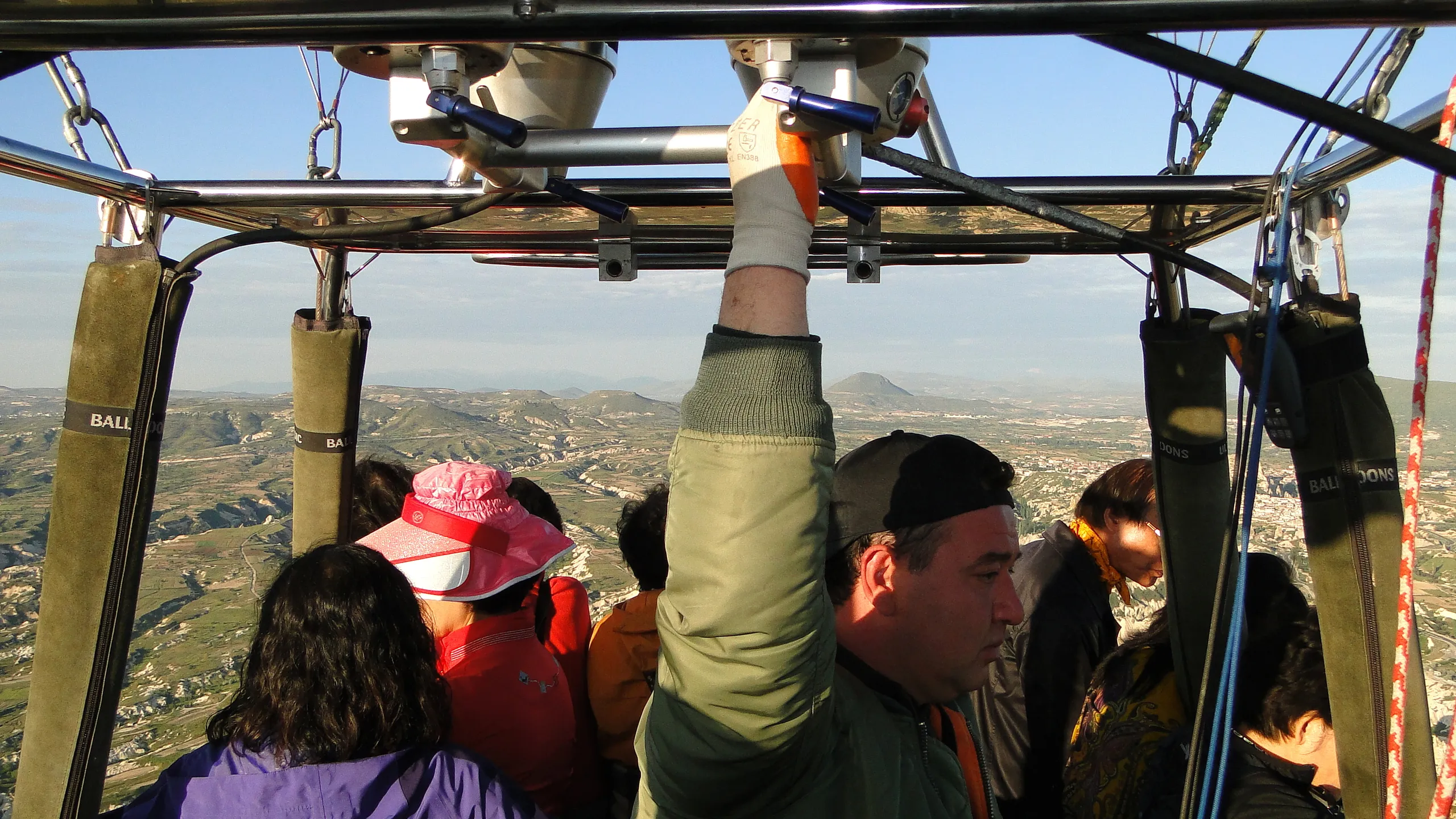
Then the field. Crews lay the envelope on its side, run cold-air fans into the mouth, and the fabric fills before the burners tip the whole thing upright. It takes about twenty minutes and it is loud. In January the ground is frozen and the wait is properly cold, around minus three. In August the same field sits at fifteen. Dress for the ground, not the afternoon, as the packing guide argues.
Winter, spring, summer, autumn: what actually changes
Winter is the misread part of the calendar. Snow on the ground does not stop a balloon. Falling snow does, and so does the fog that forms when cold air pools in the valleys under an inversion and sits there until nine in the morning, long after the window has closed. A clear, still January dawn is the best flying of the year, with low sideways light and snow on the north faces of the chimneys. The arithmetic is the problem: about nine snow days in January, 96 hours of sunshine against 365 in July, and an average stay in Cappadocia of under two nights. Spring misleads the other way: March is the windiest month in the record, and April brings twelve days of rain.
From June the picture simplifies. July and August take 10 mm of rain each, the driest months of the year, with dawn lows near 14.5 degrees and afternoon highs near 29. First light is reliable. What summer costs is comfort and company: a pickup before four, and the fullest baskets of the year. Autumn is the answer for most people, and September is the specific answer. It is the calmest month in the wind record, takes 14 mm of rain, and starts at 11.3 degrees, which is a fleece rather than a coat. October holds that steadiness and releases prices from mid-month. How the seasons fall elsewhere is in the best time to fly guide.
Snow does not cancel a flight in Cappadocia. Snowfall and valley fog do, and wind does it in every month of the year.
Why the same hour costs 38 euros or 520
The range on this site runs from 38.41 EUR for a 60-minute sunrise flight with hotel transfer to 520 EUR for one sold on breakfast and a glass of champagne. Both launch at dawn inside the same slot, over the same rock. A ground tour that watches the fleet from the hills without boarding anything costs 40 EUR, more than the cheapest seat in a basket. Some of the gap is real: basket size, transfers, a guided day bolted onto the morning, and whether the flight goes to the main Göreme sector or to Soğanlı and Ihlara, newer areas an hour out by road.
The rest is the date. One listing states that early reservations are quoted on dynamic pricing; another says the price goes up as passenger numbers go up. That is a mechanism, not a sales line. Season and booking date multiply instead of adding. A January flight is cheap because it is priced against a real chance of not flying at all. What the money buys elsewhere is in the cost guide.
Balloon rides over Cappadocia
All of them launch at dawn, inside the same window.

Cappadocia 60-Minute Hot Air Balloon Ride, Hotel Transfer
Sixty minutes over Cappadocia's fairy chimneys and cave dwellings, with hotel pick-up, light breakfast and flight certificate. Prices move with demand.
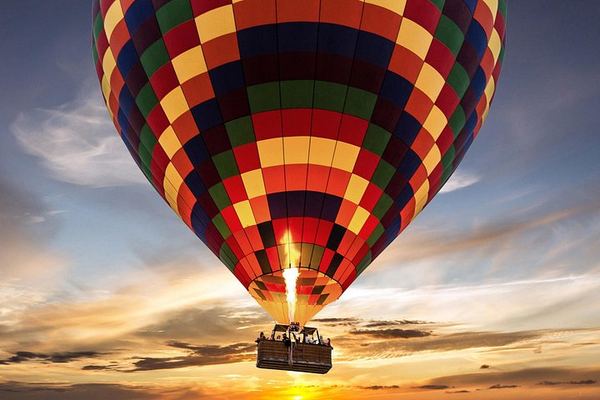
Cappadocia Deluxe Sunrise Balloon Flight from Goreme with Light Breakfast
Deluxe pre-sunrise flight from Göreme to 3,000 feet, light breakfast before takeoff, champagne and certificates after. Hotel transfers and insurance included.

Cappadocia Fairy Chimney Hot Air Balloon Flight at Dawn
Dawn balloon flight over the fairy chimneys of Cappadocia with Balloon Turca. What the morning involves, why weather cancels flights, refund terms.

Cappadocia Fairy Chimneys Balloon Flight with Transfers
Sunrise balloon flight over the Cappadocia fairy chimneys. Hotel pickup and drop-off, about an hour airborne, breakfast first and sparkling wine after.
Ratings collected by Viator and Tripadvisor


Timing questions
How many spare mornings should I plan for?
Three nights, which is more than most visitors give the region: the average stay in Cappadocia is 1.95 nights. Against 223 flying days, one morning is roughly a three-in-five proposition, and worse from December to February. Put the balloon on the first morning so a cancellation still leaves two more.
Is January worth it for the snow?
If the trip has the days, yes. Lying snow does not ground the fleet, and a clear January dawn gives the most distinctive flying of the year with far fewer balloons in the sky. What grounds it is falling snow and the fog that settles into the valleys. Treat the flight as something you might get.
Does the cheapest month mean the cheapest flight?
Not reliably. Season sets the band, the booking date sets the position inside it, and a mid-season flight reserved months ahead often beats a low-season one bought on arrival. Compare the flight before the price: transfers, basket size and whether the sector is Göreme or a valley an hour away matter more than the calendar. Every listing sits on the Cappadocia page.
Who decides the flight is off, and when?
Not the company you booked with. The slot service centre publishes a flag for each of the three meteorological sectors: red means nothing lifts, yellow means hold, green passes the last decision to the operator and the pilot in command. The call reaches passengers the evening before, or between four and five in the morning. Why that structure exists is covered in the guide to how safe balloons are.
Data verified on . Climate: 1991-2020 Nevşehir normals, Turkish State Meteorological Service. Flying days and fleet: Nevşehir governor via Anadolu Agency, July 2026. Slot limits: SHGM. Prices: this site.