
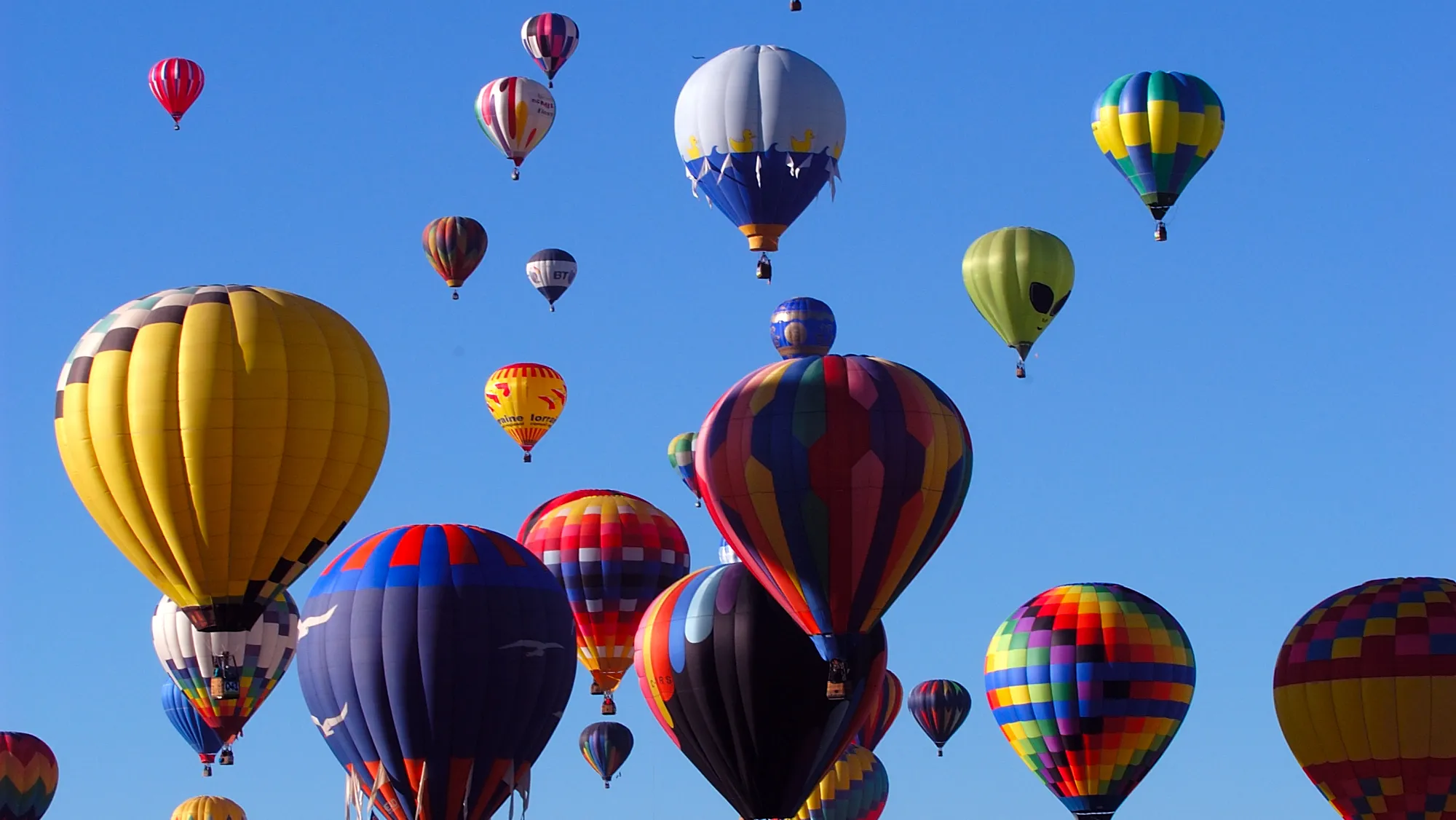
Every sport has a rulebook and a culture, and in ballooning the culture does most of the work. A flight puts a dozen strangers, several tanks of propane and one pilot in a wicker basket at sunrise, then sets them down in a field nobody booked. That works, morning after morning, because everyone aboard plays a small part: passengers arrive on time, stand where they are placed, hold on when told, and treat the landing field like the private property it is.
This section is the passenger's half of the bargain. It collects what pilots wish every guest knew before the briefing: the etiquette that keeps a launch field running, the safety record behind the sport's calm reputation, the landing position that prevents most of ballooning's minor injuries, the rituals waiting once the basket settles, and the tipping question everyone whispers about in the retrieve van.
The rules themselves exist for three concrete reasons. A balloon is trimmed by weight, so where you stand is part of the load calculation and changing corners mid-flight undoes the pilot's arithmetic; the full list of habits is in balloon etiquette. The fuel is propane, which is why smoking is banned at the field and instructions are followed the first time they are given; the record all this protects is laid out in how safe are balloons. And the landing field is private property borrowed without notice, so gates stay shut, crops stay untrampled and the farmer stays glad to see balloons.
In practice, the etiquette concentrates on two moments. The first is the briefing, five minutes that cover everything the flight will ask of you. The second is the landing position: knees bent, back to the direction of travel, hands on the rope handles, held until the basket stops moving. Get those two right, as described in the landing, and the rest is simply being good company at sunrise.
Then the flight closes the way balloon flights have closed for generations: a cork, a toast, sometimes a prayer, usually a certificate with your name on it. The stories behind those rituals, including the champagne legend nobody has ever sourced, are told in champagne, prayers and certificates, and the wallet question is settled in tipping, photos and post-flight.
None of it is complicated, and none of it is arbitrary. Every rule below traces back to physics, propane or a farmer's goodwill. Read these five pages and you will board like someone on their tenth flight. Pair them with why balloons fly at dawn and our checklist for choosing an operator, and nothing about the morning will surprise you.
The five guides
Start anywhere. Together they cover the flight from the moment you reach the field to the moment you hand back your empty glass.

The unwritten rules
Why you cannot swap corners mid-flight, and the other habits that make a crew glad you came.

How safe are balloons?
The honest numbers, the 2022 rule change, and why a cancelled flight is a good sign.

The landing
The braced position, the gentle tip-over, the chase crew and the field you did not book.

Champagne, prayers and certificates
The toast legend has no period source, and we say so. Ballooning's rituals, fact-checked.

Tipping, photos and post-flight
Who to tip and where, the three photos worth planning, and the ride back to base.
A detail that says it all: many ride balloons carry a second, quieter burner fitted for exactly one purpose, drifting over livestock without a sound. Pilots call it the whisper burner, and farmers call the pilots who use it welcome. When a sport buys hardware in order to be polite, the etiquette is clearly not decoration.
New to ballooning?
From alarm clock to toast: what your first flight is actually like, minute by minute, and how to be ready for each part of it.