
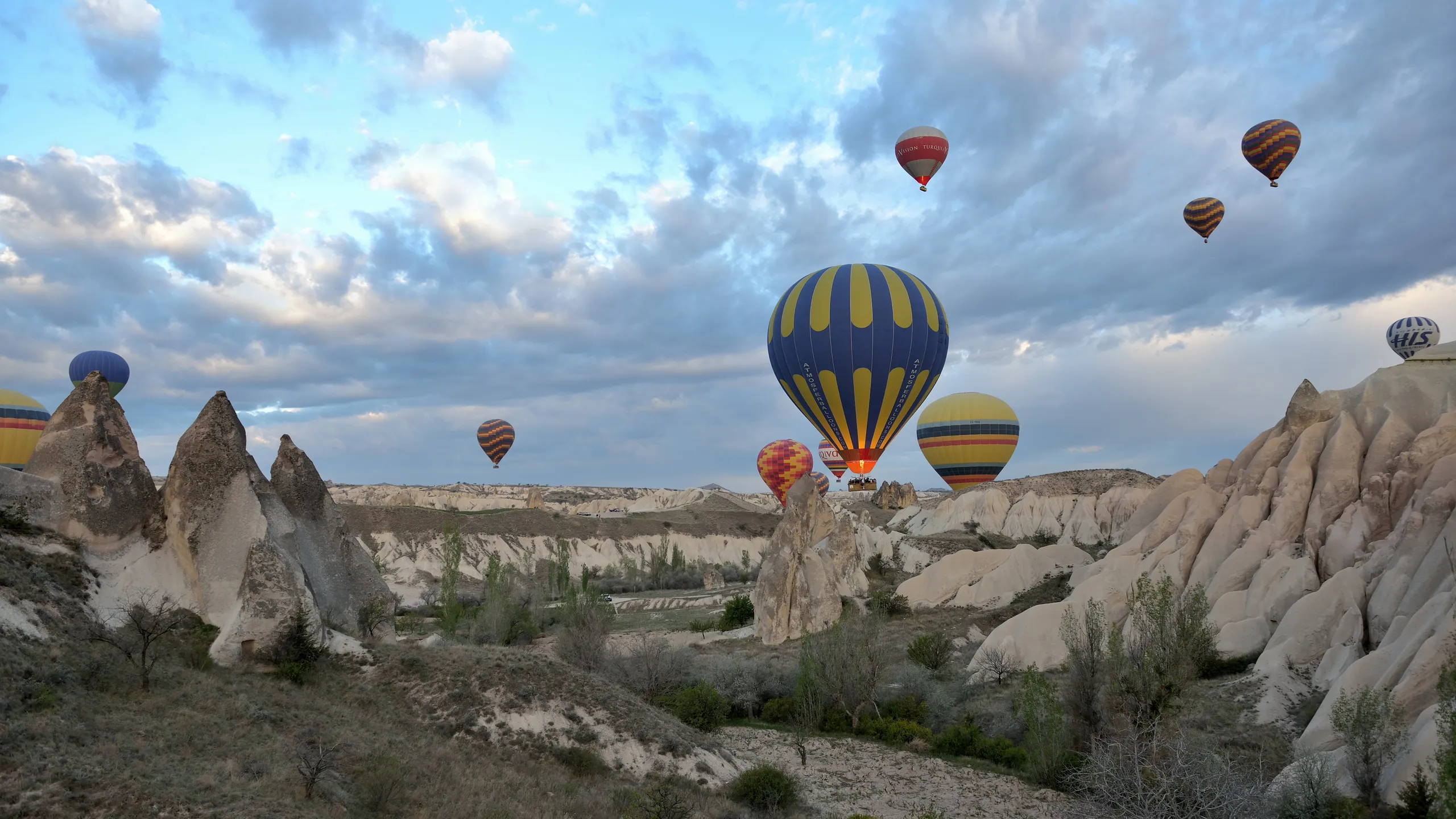
Ask a commercial balloon pilot when to book and the answer is always the same: at sunrise, in the right season for your climate, with a flexible ticket. None of that is marketing. It follows from the physics of how balloons fly, and once you see the reason, the 5 a.m. alarm stops being a nuisance and becomes part of the ritual.

Why balloons fly at dawn
A balloon needs calm, stable air, and the atmosphere is at its calmest in the first hour after sunrise. The ground is still cool, so there are no thermals yet, the rising bubbles of warm air that make afternoon flying bumpy and unpredictable. Surface wind usually stays below 8 to 10 mph, the working limit most operators use for inflating, launching and landing.
Dawn has a second advantage that passengers rarely hear about. Overnight cooling often stacks the sky into layers of wind moving in different directions. Pilots climb or descend to catch the layer heading the right way, and that layering is strongest early in the morning. It is, in effect, the balloon's entire steering system. We explain it properly in how pilots steer.
And weather builds during the day. Fly at six in the morning and you are ahead of whatever the afternoon is planning.
What about sunset flights?
Plenty of operators also fly two to three hours before sunset, once the day's thermals have died down. The light is warm, the photos are better, and nobody has to wake up in the dark. The catch is reliability. Evening slots are cancelled more often because the weather has had all day to develop, and there is a fixed deadline: balloons must be down before dark. If your schedule only allows one attempt, take the morning.

Pick the season by climate, not by the calendar
There is no universal balloon season. The right months depend on the climate you are flying in.
- Temperate regions, like most of Europe and North America: April to October, with many operators pausing over winter.
- Hot and arid regions: winter and the cooler shoulder months. Summer mornings heat up too quickly.
- Tropical regions: the dry season. Rain and balloon envelopes do not get along.
Autumn deserves a special mention. Mornings are cool and stable, the light is clean, and October is when the flying calendar peaks: the Albuquerque Balloon Fiesta alone sends more than 500 balloons up at dawn for nine days straight.
Winter, the underrated season
Where flights run all year, winter mornings are quietly excellent. Cold air is denser, so the envelope produces more lift on less propane and the burner runs less often, which means a quieter flight. Visibility after a cold front can be the best of the year. Dress for the ground temperature and you will share the sky with almost no one.
Weather that keeps balloons on the ground
The rules that keep balloons grounded are stricter than most passengers expect. Surface wind above roughly 10 mph. Rain of any intensity. Fog. A thunderstorm in the forecast, even 50 miles out, because a storm cell can pull air toward itself from a long way off. Cappadocia, the busiest flying region on earth, still loses around a hundred mornings a year to weather, and that is the point: the system is built to say no.
Better to be on the ground wishing you were in the air than in the air wishing you were on the ground.
So read cancellations the right way: a scrubbed flight is a good sign. The operators with the strictest weather rules are the ones worth flying with, and anyone launching when everyone else stayed on the field is showing you a red flag, not dedication. There is more on this in how to choose a safe operator.
How to plan around the weather
Book for the start of your trip, not the end. If the morning gets scrubbed you still have days in hand, and most operators rebook you at no cost. Check the rebooking policy before you pay, take the earliest slot available, and accept the alarm clock as part of the deal. Watching an envelope fill with light in the half-dark is worth the lost sleep on its own.
You know when. Now pack right.
Seven things to bring on a balloon flight, and a few to leave in the hotel room.
Quick answers
What time of day is best for a hot air balloon ride?
Sunrise. The first hour after dawn has the calmest, coolest and most stable air of the day, with light winds and no thermals, which is why almost all commercial flights launch then.
Is a sunrise or sunset balloon flight better?
Sunrise is more reliable, sunset has warmer light. Evening flights are cancelled more often because weather builds during the day, so if you only have one chance, book the morning.
What is the best season for a balloon ride?
April to October in temperate climates, winter in hot desert regions, the dry season in the tropics. Where flying runs year-round, autumn and winter mornings often have the most stable air of all.
How often do balloon flights get cancelled?
It depends on the region, but weather stops a meaningful share of mornings everywhere. Even Cappadocia loses around a hundred days a year. Serious operators rebook you free, so plan the flight early in your trip.