
Hot Air Balloon · Tour
Excursión de día completo a Luxor: vuelo en globo al amanecer y paseo en feluca al atardecer
Valoraciones recogidas por Viator y Tripadvisor
LuxorAl amanecer en un extremo y al atardecer en el otro, y la misma orilla occidental bajo ambos. La mañana comienza con una recogida en la oscuridad, bebidas refrescantes en el puerto deportivo, un paseo en lancha a través del Nilo y un traslado al campo de despegue. El globo vuela durante 35 a 60 minutos. El día termina con una hora en una feluca, navegando por el Nilo mientras el sol se oculta tras la cresta que el globo cruzó al amanecer. Nada más en la lista de Luxor concluye un día de esa manera. Entre los dos extremos, se ofrece un recorrido privado de ambas orillas. La cesta se comparte con otros pasajeros, y todo después del aterrizaje es privado. El guía te espera en los Colosos de Memnon una vez que el globo aterriza. Luego, se visita el Valle de los Reyes y cuatro tumbas reales, entre ellas la de Ramsés IX, donde la diosa Nut se extiende a lo largo del techo sobre el sarcófago, la de Merenptah, descubierta por Howard Carter en 1903, y la de Ramsés III, conocida como la Tumba de los Músicos debido a los músicos ciegos pintados en una cámara lateral. La tumba de Tutankamón requiere una entrada aparte. El templo de Hatshepsut en Deir el Bahari es el siguiente, seguido de la orilla oriental. Karnak se alza con 134 columnas en el salón hipóstilo, con la Avenida de los Esfinges que antiguamente se extendía 3 km hasta el Templo de Luxor. El propio Templo de Luxor está dedicado a Amun-Ra, Mut y Khonsu, con las estatuas de granito de Ramsés el Grande en la entrada. Las tarifas de entrada y el almuerzo no están incluidos. La recogida es de tu hotel o barco de crucero por el Nilo, y el operador también ofrece recogida en el aeropuerto de Luxor y la estación de tren. El globo sale todos los días, aunque el operador solicita confirmación con antelación.
Qué incluye
- Tour de día completo en Luxor, explorando la orilla este y la orilla oeste
- Agua embotellada
- 35: Vuelo de 60 minutos en globo aerostático, sobre los cielos de Luxor
- Paseo en feluca al atardecer por el río Nilo, con una duración de una hora
Ver 4 más Ver menos
- Servicio de recogida en tu hotel y regreso
- Certificado de vuelo
- Guía turístico y fotógrafo, ambos con formación en egiptología
- Aire acondicionado de primera calidad, coche de lujo
Itinerario
No se ha podido cargar el mapa. Inténtalo de nuevo en un momento.
-
Luxor
Un representante de I Like Egypt Tours te recogerá temprano para comenzar el día. Habrá bebidas refrescantes en el puerto deportivo antes de que un bote a motor te lleve a la orilla oeste, y desde allí, un traslado al área de despegue para un paseo en globo sobre el museo al aire libre más grande que existe. El paseo en globo sale todos los días, aunque se recomienda confirmarlo con antelación. El vuelo dura de 35 a 60 minutos antes de que aterrices de nuevo. Después de eso, disfrutarás de un tour privado de día completo por la orilla este y la orilla oeste de Luxor, a tu propio ritmo. El día termina al atardecer con una hora en una feluca en el Nilo.
-
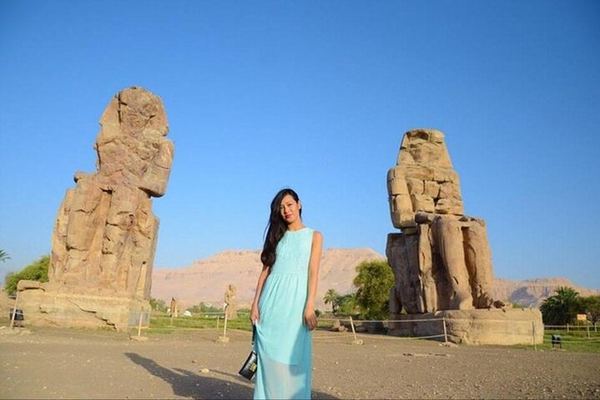
Colossi of Memnon
Una vez que el globo aterriza, el guía te estará esperando en los Colosos de Memnon, y ahí comenzará el tour de día completo por Luxor. Estas dos estatuas son las más grandes de la antigüedad en Egipto y datan de la época del faraón Amenhotep III.
-
Valle de los Reyes
A continuación, está la Necrópolis de Tebas, el Valle de los Reyes en la orilla oeste de Luxor, que está incluido en la mayoría de los itinerarios de Luxor por una buena razón. Se incluyen cuatro tumbas reales, entre ellas la tumba de Ramsés, la tumba de Horemheb y la tumba de Merenptah.
Coste adicional
-
Tomb of Ramases IX
Ramsés IX fue el tercer faraón de la Vigésima Dinastía del Reino Nuevo, y se llamaba Amonhirkhopshef antes de ascender al trono. Era el quinto hijo de Ramsés III y se convirtió en príncipe heredero en el vigésimo segundo año del reinado de su padre, después de que todos sus cuatro hermanos mayores murieran antes de ese nombramiento. La tumba conserva gran parte de su color y detalle, incluyendo el techo sobre los sarcófagos, donde la diosa Nut se extiende por todo el espacio. El sarcófago es uno de los más grandes del valle, y aunque algunas de las pinturas se han deteriorado, la tumba sigue siendo una de las más decoradas.
-
Tomb of Merenptah
En la mitología egipcia, Ptah es el demiurgo de Menfis, dios de los artesanos y arquitectos. En forma de halcón, esta deidad comenzó a ser colocada en tumbas para acompañar y proteger a los difuntos en su viaje hacia el oeste de Luxor. La tumba 8, en el Valle de los Reyes, fue el lugar de entierro del faraón Merneptah, hijo de Ramsés II y la reina Isis-Nofret, y es un modelo de tumbas reales. Howard Carter la descubrió en 1903. Materialmente, hay menos habitaciones laterales que antes, y los corredores y las habitaciones son considerablemente más altos. El eje en ángulo que se había utilizado desde la época de Horemheb fue abandonado aquí, y en su lugar se utilizó un único eje que recorre toda la longitud de la tumba. Por primera vez, la entrada fue excavada mucho más ancha que en las tumbas anteriores.
-
Tomb of Ramses III
La tumba de Ramsés III, designada como KV 11, es un complejo sistema ubicado en el Valle de los Reyes y es conocida desde la antigüedad. La decoración es un relieve hundido de colores vivos, que presenta los textos rituales tradicionales (el Canto a Ra, el Libro de las Puertas y otros) y a Ramsés ante los dioses. Lo inusual de este lugar es su parte secular: en pequeñas habitaciones laterales que se encuentran a lo largo del corredor de entrada, hay ofrendas extranjeras, incluyendo cerámica muy detallada importada del Egeo, el arsenal real y barcos. La última de esas cámaras alberga a los arpistas ciegos, que le dieron a la tumba uno de sus otros nombres: la Tumba de los Arpistas.
-
Tomb of King Tutankhamun (Tut)
Para entrar, necesitas una entrada aparte, que debes comprar si quieres acceder.
Coste adicional
-
Temple of Hatshepsut
Después de las tumbas, se encuentra el templo de la reina Hatshepsut, ubicado en Deir el Bahari. Hatshepsut fue la única mujer que jamás gobernó Egipto como faraona. Era antepasada del rey Tutankamón y pertenecía a la misma dinastía.
Coste adicional
-
The Karnak Temple
Karnak es un complejo de templos en la orilla este de Luxor, construido a lo largo de diferentes reinados y considerado una de las grandes obras arquitectónicas del mundo. Comienza en la Avenida de los Esfinges, continúa con el Salón Hipóstilo y sus 134 columnas gigantes, los obeliscos de la reina Hatshepsut y Tutmosis I, el Templo de Amón con sus diseños de loto y papiro, el escarabajo de granito de Amenofis III y el Lago Sagrado. El operador lo considera superior a cualquier otro monumento faraónico de Egipto.
Coste adicional
-
Temple of Ramesses III, Karnak
El mismo complejo de Karnak, ubicado en la orilla este, fue construido y ampliado a lo largo de diferentes reinados. El recorrido incluye la Avenida de los Esfinges, el Salón Hipóstilo con sus 134 columnas gigantescas, los obeliscos de la reina Hatshepsut y Tutmosis I, el Templo de Amón con sus decoraciones de loto y papiro, el escarabajo de granito de Amenofis III y el Lago Sagrado.
-
Obelisk of Queen Hapshetsut,
Los obeliscos de la reina Hatshepsut y de Tutmosis I, y el templo de Amón, con sus diseños de loto y papiro.
-
Avenue of Sphinxes
La Avenida de los Esfinges se extendía por 3 kilómetros, desde Luxor hasta Karnak, con esfinges a ambos lados. Hoy en día, solo quedan unos pocos cientos de metros, pero sigue siendo impresionante. Era el camino que conectaba el templo de Karnak con el templo de Luxor.
-
Obelisk of Thutmoses I
El obelisco de Tutmosis I se encuentra junto al de la reina Hatshepsut, cerca del templo de Amón, y ambos destacan por sus diseños de loto y papiro.
-
Luxor Temple
El templo de Luxor está dedicado a la tríada tebana de Amun-Ra, Mut y Khonsu. Al frente del templo se encuentran las estatuas de granito de Ramsés el Grande.
Coste adicional
-
Nile River Valley
Al atardecer, tu guía te recogerá del tour de día completo y te llevará a la orilla del Nilo, donde te estará esperando la tradicional feluca egipcia. Subes a bordo y te acomodas en los cojines. El Nilo ha sido la fuente de vida de Egipto desde tiempos faraónicos, y desde el agua, la orilla sigue activa: niños jugando en el agua, camellos y burros, agricultores trabajando como se ha hecho durante siglos, búfalos de agua y una gran variedad de aves. El barco navega mientras el sol se pone sobre la orilla oeste de Luxor. Luego, regresamos a la orilla del Nilo y te trasladaremos a tu hotel en Luxor.
No incluido
- Precios de entrada.
- Almuerzo.
- Propinas
Útil saber
- Accesible para sillas de ruedas
- Los bebés y los niños pequeños pueden viajar en un cochecito o carrito de bebé
- Las opciones de transporte son accesibles para personas en silla de ruedas
- Adecuado para todos los niveles de condición física
Ver 4 más Ver menos
- La tarifa para niños solo se aplica cuando viajas con dos adultos que pagan la tarifa completa
- Hasta 15 viajeros por reserva.
- Se aceptan tanto entradas en formato digital como impresas
- Guía disponible en: alemán, japonés, inglés, italiano, francés, español.
Reseñas
Cargando reseñas…
Sigue explorando
Más experiencias en Excursiones en globo y por la orilla occidental
-
 Cancelación gratis
Excursión de día completo en globo aerostático y lo mejor de Luxor
4.6 (622) 4.6 estrellas sobre 5, 622 reseñasEl globo vuela al amanecer sobre Luxor, y luego, un guía egiptólogo privado te acompañará durante el día para visitar: el Valle de los Reyes, el templo de Hatshepsut, Karnak y el templo de Luxor.
€ 98.99 -
 Cancelación gratis
Excursión de un día a Luxor en globo y a los templos de la orilla occidental
4.9 (28) 4.9 estrellas sobre 5, 28 reseñasUn vuelo en globo de 45 minutos al amanecer, más una jornada guiada por la orilla occidental: el Valle de los Reyes, Hatshepsut y Medinet Habu. Valorado con un 5,0 a partir de 27 opiniones.
€ 83.84 -
 Cancelación gratis
Excursión en globo aerostático y visita de día completo a Luxor con almuerzo incluido
5.0 (84) 5.0 estrellas sobre 5, 84 reseñasAmanecer sobre el Valle de los Reyes desde la barquilla, seguido de una jornada completa con guía en Luxor, con almuerzo, recogida en el hotel y traslado de vuelta incluidos.
€ 127.15
Valoraciones recogidas por Viator y Tripadvisor