
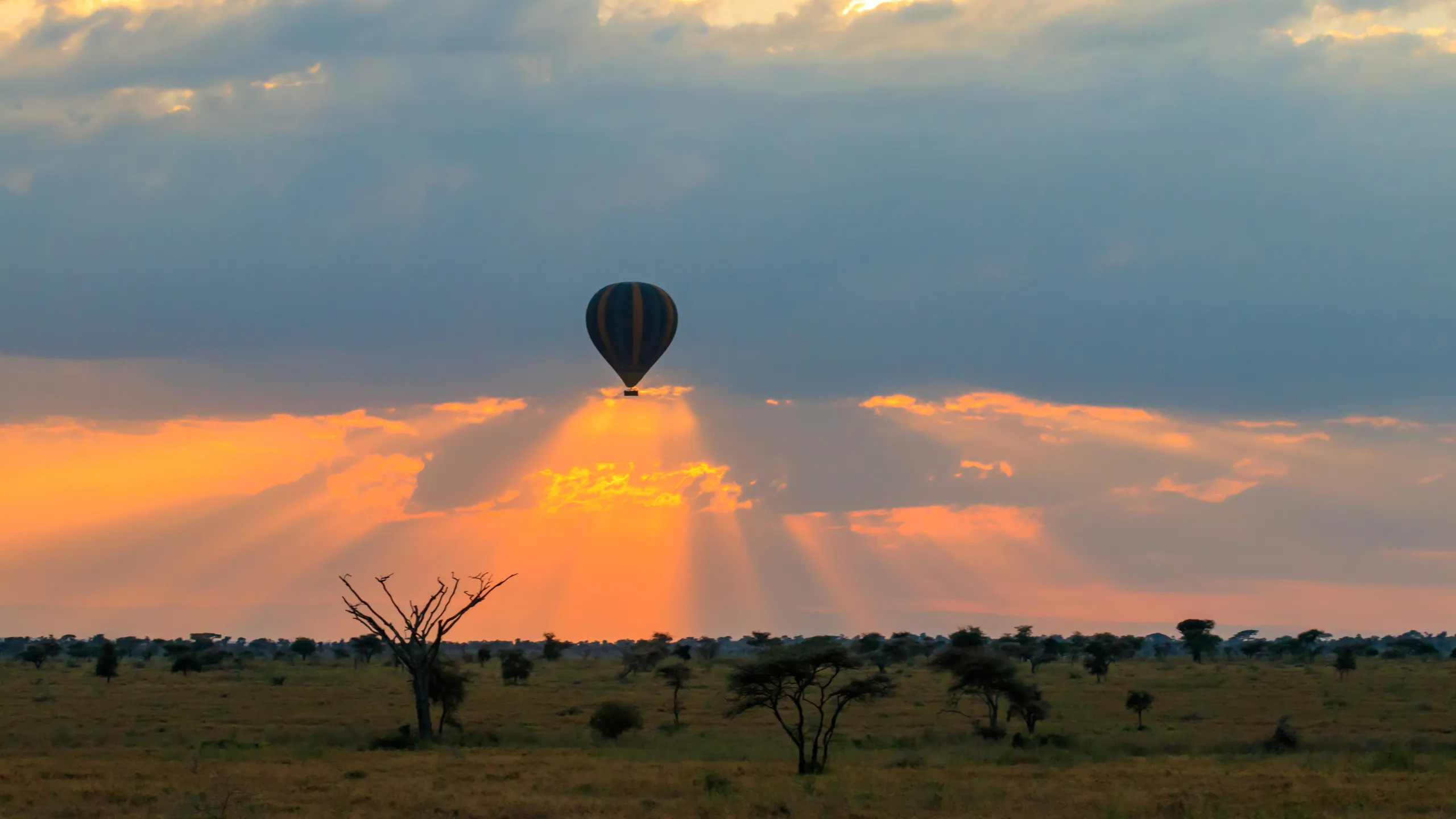
Safaris en globo aerostático sobre el Serengeti y el Tarangire
Cuatro vuelos al amanecer sobre la llanura y la región de los baobabs, que terminan con un desayuno en la sabana, justo donde aterriza la cesta. Desde 485 EUR, aproximadamente cinco horas desde tu campamento.
Un safari en globo no es un vuelo panorámico con animales. La cesta se desplaza a la velocidad del viento y no produce ningún ruido de motor, por lo que los animales de abajo continúan como si nada estuviera pasando por encima. Sobre el Serengeti, el paisaje es una llanura abierta hasta el horizonte; sobre Tarangire, el terreno es más irregular, con elefantes y baobabs que destacan en el paisaje.
Se ofrecen cuatro vuelos, todos al amanecer, y todos terminan con un desayuno al aire libre cerca del lugar donde aterriza la globos. Calcula aproximadamente cinco horas desde tu campamento hasta el punto de llegada.
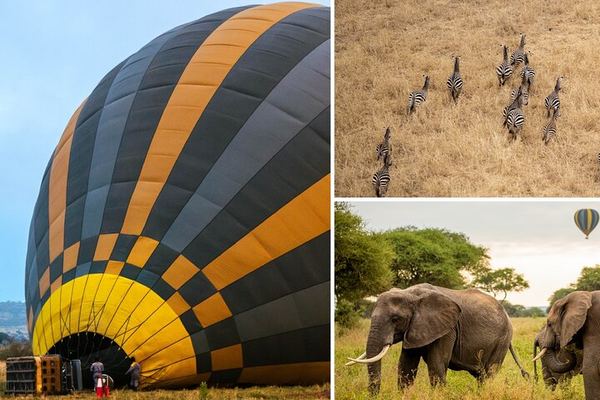
Safaris en globo sobre el Parque Nacional de Tarangire al amanecer, con desayuno en la sabana
Tarangire es un parque más tranquilo: un paraíso para los elefantes, con baobabs que se alzan majestuosos sobre el suelo. Despega al amanecer y disfruta de un desayuno en la sabana, preparado en el mismo lugar.
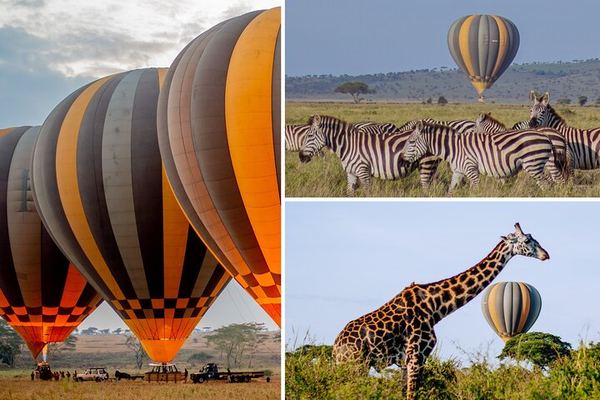
Safaris en globo sobre el Serengeti al amanecer, con desayuno en la sabana
Toma un té a las 17:45 mientras se inflan los globos, el despegue será al amanecer. Volarás durante una hora sobre la llanura con pilotos que hablan varios idiomas, y luego disfrutarás de un desayuno preparado en el mismo lugar.
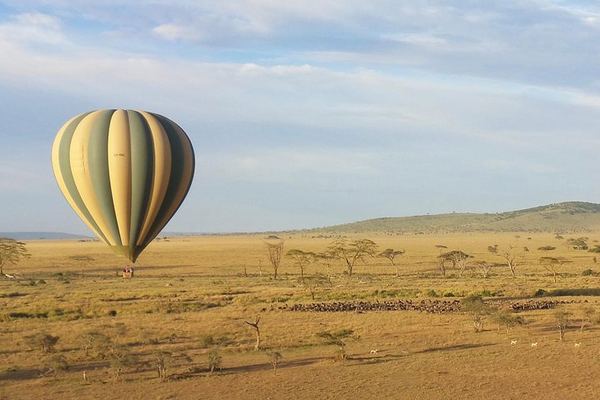
Safaris en globo sobre el Serengeti, con desayuno en la sabana bajo un árbol de acacia
Desde los años 1970, hemos sobrevolado el Serengeti: una hora que te permite rozar las copas de la hierba y luego ascender, y un desayuno inglés completo servido bajo un árbol de acacia.
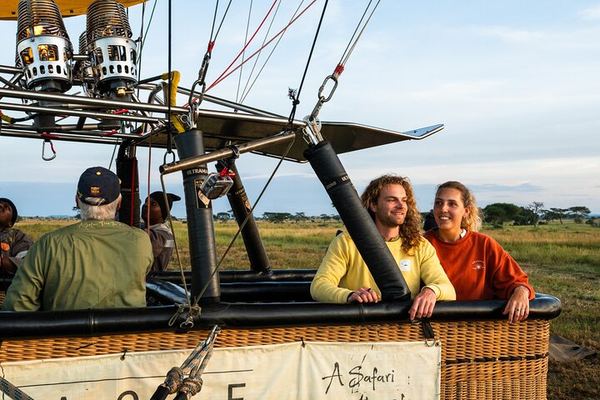
Vuelo en globo sobre el Serengeti desde Seronera, con desayuno y champán
Un vuelo al amanecer desde Seronera, en pleno parque, traslados desde y hacia el hotel, y un desayuno con champán después de que el viento decida dónde aterrizarás.
Valoraciones recogidas por Viator y Tripadvisor
¿Cuándo es el mejor momento para sobrevolar el Serengeti?
Aquí, la temporada no se trata del globo en sí, sino de lo que hay debajo. De junio a octubre es la estación seca: la hierba es corta, el agua se concentra, y los animales también se concentran junto a ella, lo que marca la diferencia entre un vuelo agradable y el vuelo que la gente espera con ansias.
Las lluvias prolongadas, que generalmente se dan desde finales de marzo hasta mayo, son cuando la mayoría de los campamentos cierran y, con ellos, se suspenden los vuelos. Las lluvias cortas de noviembre y diciembre son diferentes: todo está más verde, hay más tranquilidad, hay muchos menos vehículos y los vuelos siguen operando.
| 1 | 2 | 3 | 4 | 5 | 6 | 7 | 8 | 9 | 10 | 11 | 12 |
La misma información sobre las condiciones meteorológicas para los 31 destinos, agrupados por clima, la encontrarás en la guía de las estaciones.
¿Por qué se traslada el campo de despegue?
La mayoría de los vuelos en globo despegan desde un campo fijo. Aquí no es así, y eso es lo más importante que debes entender antes de reservar. Los vuelos en el Serengeti despegan desde la zona de Seronera, en el centro del parque, durante gran parte del año, pero los operadores cambian sus puntos de despegue a lo largo de la temporada para estar cerca de las manadas. Esto significa que el lugar desde donde despegas en julio no es el mismo que el de febrero, y el campamento en el que te alojas determina en gran medida qué vuelo puedes alcanzar realmente.
Tarangire es una alternativa más tranquila y ofrece un paisaje diferente: es un lugar donde abundan los elefantes, con baobabs que destacan en la sabana abierta y un río que atrae a la fauna durante los meses secos. Vuelan menos globos allí, y los vuelos suelen ser sobre terrenos más accidentados en lugar de la llanura abierta, lo que ofrece una hora de vuelo más variada, con menos posibilidades de encontrar la vasta y desolada extensión que caracteriza al Serengeti.
¿Qué es lo que realmente puedes conseguir con cinco horas?
Los precios indicados suelen rondar las cinco horas, y el vuelo es una parte de ello. El resto incluye una recogida antes del amanecer en tu alojamiento o campamento, el trayecto en coche hasta el campo de despegue en la oscuridad, la preparación del globo —que con un globo de este tamaño requiere una tripulación de una docena y por la que vale la pena llegar temprano—, y después, un desayuno completo servido en el suelo, justo donde aterrizó la cesta, con mesa y mantelería incluidos, seguido de un safari de regreso.
Estos son los vuelos más caros de este sitio, y las razones son estructurales, no comerciales: se cobran tarifas por persona y por aterrizaje, el combustible se transporta por carretera o en avión, y los equipos y vehículos que operan dentro de un parque nacional requieren permisos. Un operador ha estado volando sobre el Serengeti desde la década de 1970. Reserva estos vuelos junto con tu safari, en lugar de por separado, ya que, en la práctica, el campamento es la única forma realista de llegar al punto de despegue.